Why is my tree losing leaves in Chattanooga?
Discover the reasons behind your tree losing leaves in Chattanooga and learn how to treat these issues effectively.
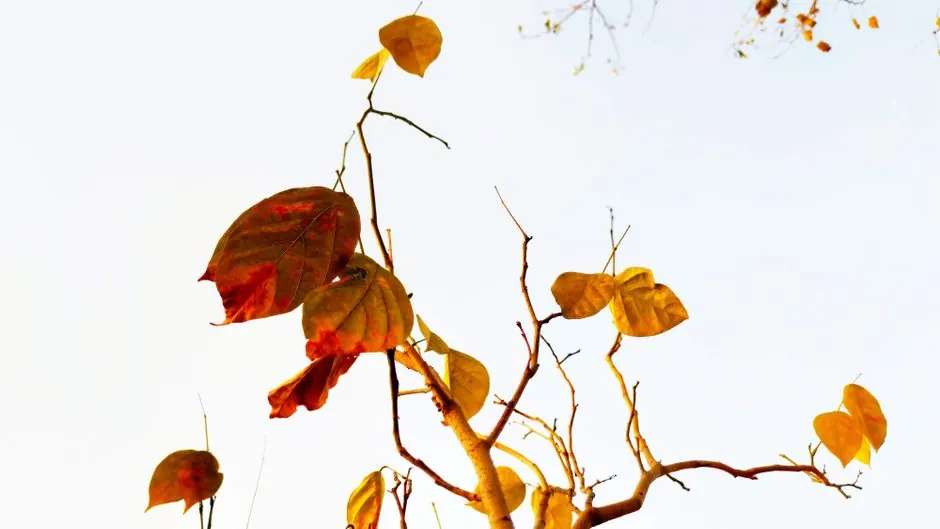
As a homeowner in Chattanooga, you may have noticed your tree losing leaves unexpectedly. This can be concerning, especially if you're unsure of the cause. Understanding the reasons behind leaf loss is crucial for maintaining the health of your trees. In this article, we will explore various factors that contribute to leaf drop and what you can do to address these issues.
Chattanooga's unique climate and environment play a significant role in the health of local trees. From seasonal changes to pests and diseases, several factors can lead to leaf loss. Let's dive into the common reasons for this phenomenon.
Common Reasons for Leaf Loss
There are several reasons why trees in Chattanooga might lose their leaves. Here are some of the most common:
- Seasonal Changes: Trees naturally shed leaves during autumn as part of their life cycle.
- Pests: Insects like aphids and caterpillars can damage leaves, leading to premature drop.
- Diseases: Fungal infections and other diseases can weaken trees and cause leaf loss.
- Environmental Stress: Factors like drought, excessive rainfall, or poor soil conditions can stress trees.
Seasonal Changes and Leaf Drop
In Chattanooga, the seasonal transition from summer to fall often triggers leaf drop. Deciduous trees, in particular, prepare for winter by shedding leaves to conserve water and energy. This process is completely normal and healthy for the tree. However, if leaf loss occurs during the growing season, it may indicate an underlying issue.
During the spring and summer, trees should be lush and green. If you notice leaves turning yellow or brown and falling off, it could be a sign of stress. Factors such as insufficient water, nutrient deficiencies, or root problems may be at play.
Pests and Diseases
Local pests and diseases can significantly impact tree health. Common pests in the Chattanooga area include:
- Aphids: These small insects suck sap from leaves, causing them to curl and drop.
- Spider Mites: Often found in dry conditions, they create webs and can lead to leaf loss.
- Caterpillars: These can defoliate trees quickly, especially during the growing season.
In addition to pests, diseases such as leaf spot or powdery mildew can also cause significant leaf loss. Regular tree inspections can help identify these issues early.
Environmental Stressors
Environmental factors play a crucial role in tree health. In Chattanooga, trees face various stresses, including:
- Drought: Insufficient rainfall can lead to water stress, causing trees to drop leaves.
- Soil Quality: Poor soil conditions can limit nutrient uptake, affecting overall tree health.
- Urban Development: Changes in land use can impact local trees, leading to stress and leaf loss.
Understanding these environmental factors can help you take proactive measures to support your trees. For instance, ensuring adequate watering during dry spells can mitigate drought effects.
Common Mistakes to Avoid
Homeowners often make mistakes that can exacerbate leaf loss. Here are some common pitfalls to avoid:
- Overwatering: While trees need water, too much can lead to root rot.
- Ignoring Signs: Failing to address early signs of pests or disease can lead to more severe problems.
- Improper Pruning: Incorrect pruning can stress trees and lead to leaf loss.
Being aware of these mistakes can help you maintain healthier trees and reduce leaf loss.
When to Call a Professional
If you notice excessive leaf loss or signs of disease, it may be time to consult a professional. Chattanooga Tree Services Company offers expert assessments and treatments for various tree issues. Our team can help identify the root causes of leaf loss and provide tailored solutions to restore your trees' health.
Frequently Asked Questions
Why are my trees losing leaves in summer?
Summer leaf loss can indicate stress from drought or pests. It's essential to monitor water levels and inspect for insect activity.
How can I tell if my tree is diseased?
Signs of disease include discolored leaves, unusual growths, and premature leaf drop. Regular inspections can help catch issues early.
What should I do if my tree has pests?
Identifying the pest is crucial. You may need to apply insecticides or consult a professional for effective pest management.
Can I prevent leaf loss?
Regular tree maintenance, including proper watering, fertilization, and pest management, can help prevent leaf loss and promote healthy growth.
When is the best time to prune my trees?
Late winter or early spring is usually the best time to prune most trees, as this minimizes stress and promotes healthy growth.